Facility Operations Improvement Strategies
How small, focused changes can improve day-to-day operations and support long-term planning
Facilities leaders are under constant pressure to keep buildings running efficiently, respond to daily maintenance issues, and plan for what comes next – often with limited staff, tight budgets, and competing priorities. The pace of day-to-day demands can make it difficult to step back and focus on improvement, even when teams know changes are needed.
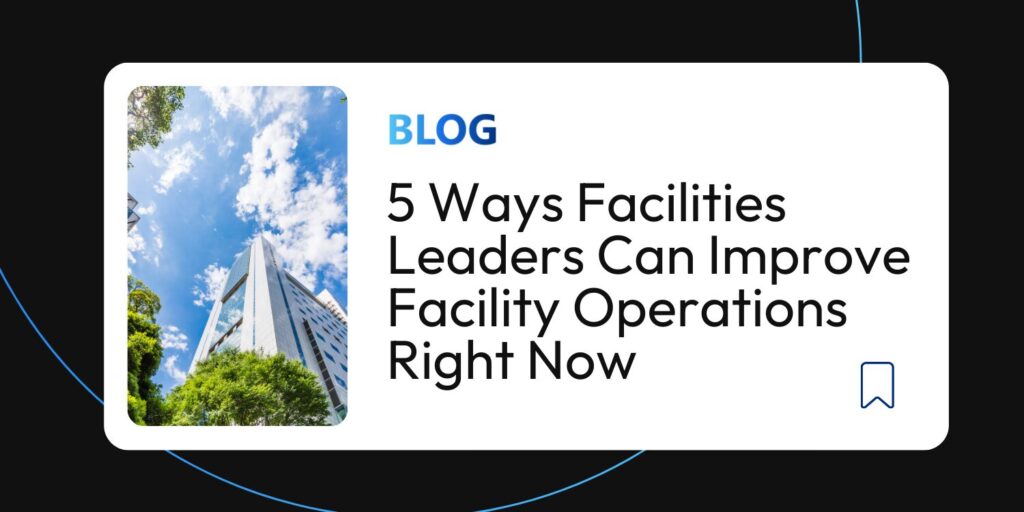
While long-term strategy and capital investment play an important role, meaningful facility operations improvement strategies do not always require major initiatives or new systems. Small, focused actions can create immediate momentum, reduce reactivity, and lay the groundwork for more sustainable, long-term progress. Here are five practical ways facilities leaders can improve facility operations right now.
- Get Clear on What Matters Most
When everything feels urgent, nothing is truly prioritized. Start by identifying the systems, spaces, or services that have the greatest impact on mission, productivity, and safety. This clarity helps teams focus efforts on where it matters most and reduces the time spent reacting to lower-value tasks.
- Break the Reactive Cycle
Reactive maintenance drains time, energy, and budgets. Look for repeat issues and temporary fixes that keep resurfacing. Even addressing one or two chronic problems can free up staff time, reduce disruptions, and improve overall reliability.
- Use the Data You Already Have
Most facilities teams have more data than they realize, from work orders and asset lists to condition assessment reports and maintenance histories. Reviewing and organizing this information can reveal patterns, risks, and opportunities for improvement without waiting for new tools or assessments. In some cases, tools like My Facility Plan can help organize and visualize this information, making it easier to turn existing data into clearer operational and capital planning insights.
Organizations such as the International Facility Management Association (IFMA) emphasize that small, targeted operational improvements and better use of existing data can significantly strengthen day-to-day facility performance while supporting long-term planning.
- Align Daily Operations With Long-Term Planning
Operations and capital planning often live in separate lanes, but they should inform each other. Use operational pain points to highlight where capital investment is needed and use long-term plans to guide daily decisions. Aligning day-to-day operations with long-term planning also makes it easier to tackle capital renewal in a more intentional way. We dig into this in our Facility Capital Renewal Planning blog, where we share practical approaches for prioritizing investments and addressing deferred maintenance over time.
- Focus on One Quick Win
Momentum matters. Identify one improvement that can be implemented quickly and visibly, whether it is a process change, a communication improvement, or a targeted maintenance effort. Quick wins build trust with leadership, energize teams, and create space for larger changes.
Final Thoughts
Improving facility operations is not about doing more work; it’s about doing the right work at the right time. When facilities teams have clarity around priorities, visibility into their assets, and alignment between day-to-day operations and long-term planning, they are better positioned to respond to challenges and reduce unnecessary strain on staff and budgets. These facility operations improvement strategies can generate incremental improvements that create a foundation for stronger performance, better decision-making, and greater confidence across the organization.
Over time, these operational shifts also make it easier to move from reactive problem-solving to proactive planning. As quick wins build momentum, facilities leaders gain the insight and credibility needed to advocate for smarter investments, improved processes, and long-term resilience. The result is an operations environment that not only keeps facilities running today but also supports the organization’s goals well into the future.